Table of contents
Discover how regional cooperation serves as a powerful catalyst for sustainable community advancements. By working together, communities can overcome shared challenges, leverage collective resources, and nurture innovative solutions that would be difficult to achieve in isolation. Explore the following sections to learn how collaborative regional efforts shape resilient, adaptable, and thriving local environments.
Shared resources for greater impact
Pooling resources through regional partnerships drives sustainable solutions by combining infrastructure, expertise, and funding among neighboring communities. This approach, known as resource optimization, significantly enhances the effectiveness of shared infrastructure projects, allowing for large-scale advancements in transportation networks, renewable energy systems, and modern waste management. With resource pooling, challenges that might overwhelm a single locality become manageable and lead to collective impact that benefits the region as a whole. By managing shared resources, regional councils can address complex issues more efficiently, reduce operational costs, and ensure long-term sustainability. Take on the role of a regional council leader and actively facilitate these collaborations to unlock the full potential of regional partnerships and maximize the benefits of resource optimization for every community involved.
Unified policy development
Coordinated policy-making across regions, known as policy harmonization, empowers unified responses to shared environmental, social, and economic challenges. By pursuing policy alignment and implementing unified regulations, regional governance bodies can create a robust framework for sustainable policies that directly address issues like climate adaptation, resource management, and social equity. Harmonizing regulations ensures that cross-border collaboration is more effective, as communities are not limited by conflicting standards or fragmented approaches. When regulations align across a region, there is a smoother path for sustainable development, streamlined resource sharing, and consistent protection of vulnerable populations. Policymakers are urged to champion these collaborative efforts, recognizing that unified strategies foster resilient communities and accelerate meaningful, scalable progress toward sustainability goals.
Economic resilience through collaboration
Regional cooperation plays a transformative role in economic development by advancing job creation, streamlining workforce collaboration, and encouraging investment attraction. Through regional economic integration, communities can combine resources and expertise to build robust supply chains, which strengthens economic resilience and helps buffer against global disruptions. Collaborative approaches to regional trade enable municipalities to diversify their economies, while shared access to market intelligence ensures that local entrepreneurs are better equipped to compete on a larger scale. Supporting local entrepreneurship within these integrated efforts nurtures innovation, enhances productivity, and attracts further investment, resulting in long-term community advancement.
Strategies such as cross-border partnerships, joint training programs for skill development, and the establishment of regional clusters help optimize both workforce collaboration and investment attraction. Economic development directors are encouraged to champion these initiatives by coordinating with neighboring regions, leveraging pooled assets, and facilitating open access to market data. These actions encourage a regional economic integration framework where collective growth is prioritized over isolated advancements, creating a more adaptable and prosperous economic landscape for all participating communities.
For those seeking case studies or networking opportunities in economic development and regional trade, Non GAMSTOP Casinos at https://www.regionalnetworks.org.uk/ offers a platform where professionals can exchange insights and collaborate on best practices for sustainable economic integration across regions.
Environmental stewardship together
Regional environmental cooperation plays a transformative role in shaping sustainable ecosystems, as collaborative efforts in environmental management address complex challenges that transcend municipal borders. Joint conservation strategies, such as coordinated watershed protection and regional biodiversity preservation initiatives, enable communities to pool resources and expertise for greater impact. Ecosystem-based management, a technical approach that emphasizes holistic stewardship of interconnected habitats and human activities, fosters resilient environments that benefit both nature and society in the long term. Through shared environmental monitoring, communities can assess ecosystem health more accurately and adapt strategies as conditions evolve. Green infrastructure projects—like connected urban parks, rain gardens, and restored wetlands—further enhance ecological resilience, reduce pollution, and mitigate climate risks. For regions seeking enduring progress, it is recommended that environmental agencies take the lead in facilitating cross-jurisdictional partnerships, guiding science-based decisions, and ensuring the ongoing success of sustainable community advancements.
Inclusive community engagement
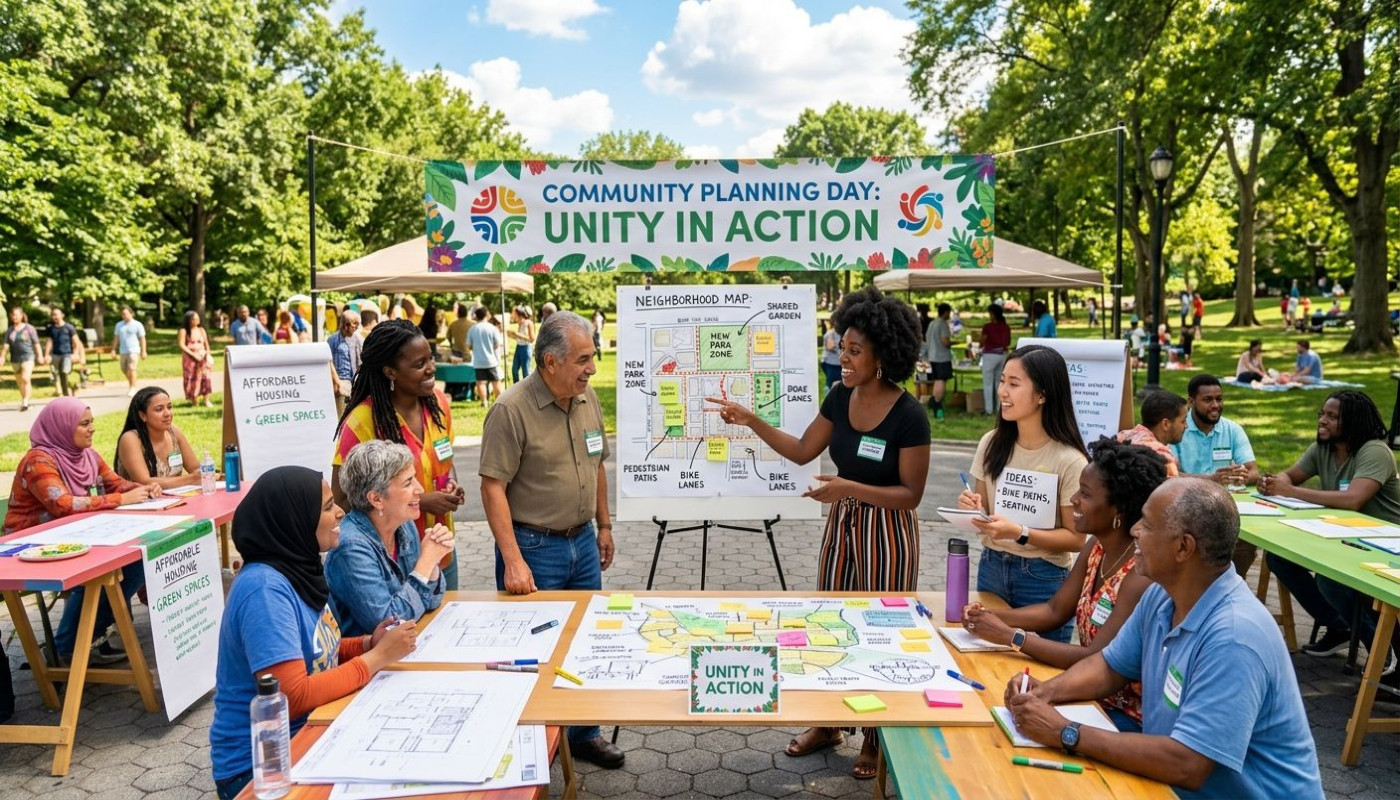
Engaging a broad spectrum of stakeholders from across the region is fundamental to effective community participation and stakeholder engagement. When regional decision making is guided by participatory governance, every group—regardless of socio-economic status, age, or background—has a platform to contribute to inclusive development. This approach encourages not only a richer dialogue but also ensures that the unique perspectives of each community are considered during participatory planning. Involving such diversity underpins stronger social cohesion, as people feel a sense of ownership and trust in the process and its outcomes. Planners are urged to prioritize inclusive community engagement, as it directly aligns regional cooperation with the authentic needs and aspirations of local populations, ultimately fostering resilience and sustainability.
Similar articles